America's Heartland
HomeStoriesRecipes & TipsScheduleEducationBlogAbout The ShowAg in Your StateShop
 
Episode 219

Harvest in the Heartland

Harvest in the Heartland

Harvest in the Heartland

Harvest in the Heartland

Harvest in the Heartland


Harvest in the Heartland Watch Video

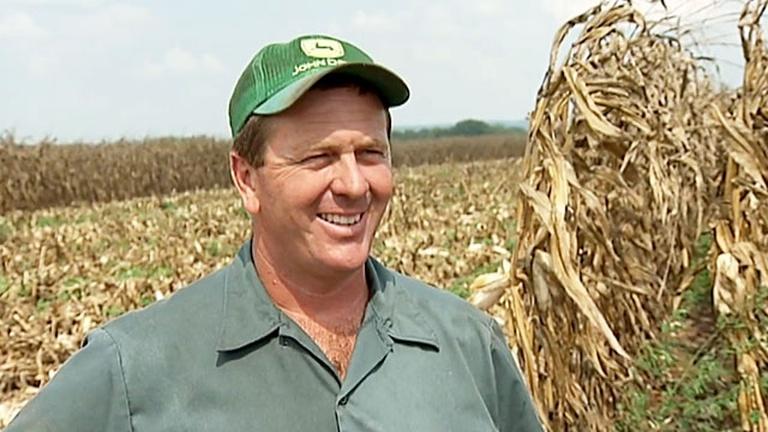
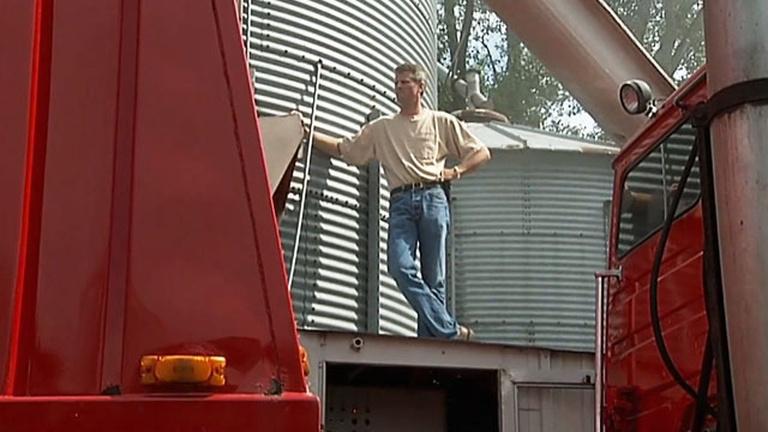
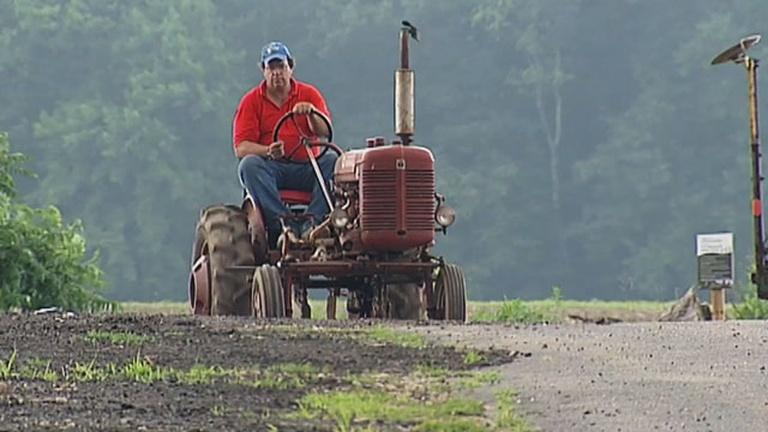
Decherd, Tennessee – Harvest time. For many in the Heartland, it’s the culmination of months of planning, hard work and hope.  We found a good example of the range of emotions – sweet, bitter, resigned – harvest season can trigger on a trip back to the cornfields of Tennessee.  That’s where, last spring, we joined farmer William Henley as he planted his fields with seeds and a sense of optimism.

As it happened, Henley along with thousands of Midwest farmers – was coping with the ravaging effects of an eternal enemy:  drought.  But like all who make their living off the land, Henley is used to facing the reality of nature square-on.

“This year’s harvest is probably the poorest harvest that I’ve ever had since I’ve been farming. You do have a lot of hopes, when you start planting, that this year’s crop will be as good as it was last year, maybe better.  And just the rainfall that we’ve had this year wasn’t enough to make a good crop.”

Henley normally expects about 150 bushels of corn from an acre of his land.  This year, he’ll be lucky to average 100 bushels.  Some acres are so parched, his huge combines will only manage to extract about 40 bushels.

An examination of the soil after the corn is down and the combines are gone reveals the severity of the problem. The soil is dry as dust – the direct result of the worst drought Tennesseans have faced in years.

Says Henley, “You just can’t make corn without water.  You can’t hardly make anything without water.  It doesn’t matter how good the care that you put into it. If you don’t get the rains that you need, you won’t get a very good harvest.  But you hate to work all year, 60-70 hours a week, and not have anything to show for it.”

For Henley, it’s not just the work.  He invests lots of money into these crops each year in seed, fertilizer, chemicals and wages for his workers. Crop insurance will help cover some losses, and federal disaster loans will be available. But Henley is concerned about the long-term impact.

“Here’s an analogy for you.  Say you get a job.  The boss tells you ‘Going to pay you $50,000 dollars a year.’ The third year of your job, he comes in and says, ‘You know, we are not going to be able to afford to pay you for working this year. And you owe us the $100,000 back that you made the last two years.’ That’s what we are looking at in this corn crop this year.  It’s not only going to lose what equity we have made this year. But we are losing what equity we made over the past two years.”

 Last spring, Henley had high hopes for a good growing season. But even as he planted his crop, his optimism was tempered with important lessons from the past.

“Farming’s one thing (that) if you don’t love it, there’s not a whole lot of use being out there. Because you put in a lot of long hours.”

Even during this disappointing harvest, Henley will put in a lot of hours in the cab of his combine. The huge mechanism on the front, called the header, pulls the ears of corn off of the stalks and sends the ears into the combine where the kernels are knocked off the cob.

Henley explains the combine can harvest and shuck as many as 40,000 ears of corn in an hour. A person good at doing it by hand might do two a minute.

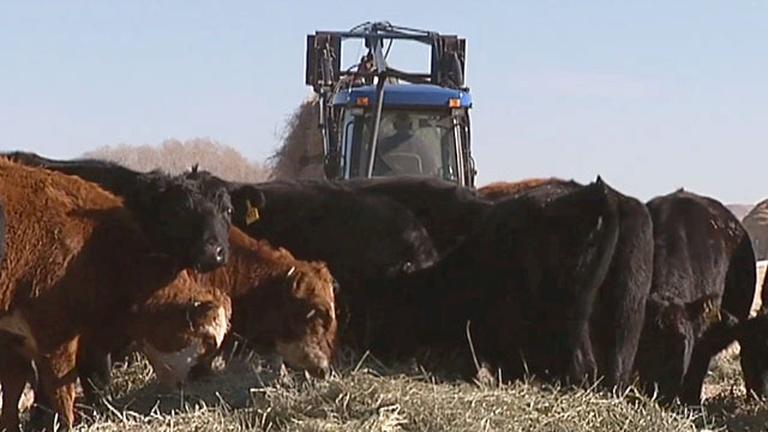
About half of Henley’s grain will be sold at a local grain elevator, and likely end up as chicken feed. Henley will grind the rest himself and mix it into feed for William’s 200 head of cattle. 

Despite this year’s terribly disappointing harvest, despite the uncertainty that comes with every growing season, Henley says he will be back here planting next spring. What drives him? One thing, he says, is knowing that family members who worked this land before him faced the same challenges.

“You get a natural love of the land, of what you’re doing here, and what the people doing before you kind of want to carry that tradition on.”

More Info
Corn is an important crop worldwide. It’s grown on every continent with the exception of Antarctica. It’s an important component in many food items, including cereals, snack foods, even soft drinks.  Iowa, Illinois, Nebraska and Minnesota account for more than 50% of the corn grown in the United States. And here’s a fun fact: an ear of corn contains, on the average, 800 kernels in 16 rows.

National Corn Growers Association
www.ncga.com

Tennessee Farm Bureau
www.tnfarmbureau.org


The Monsanto Company and the American Farm Bureau Federation make presentation of America's Heartland possible.

Monsanto        Farm Bureau
Additional production and promotion assistance is provided by the American Soybean Association, National Corn Growers Association, National Cotton Council, United Soybean Board and U.S. Grains Council.


A production of KVIE, Sacramento, California. Distributed byAmerican Public Television
©2007 KVIE, Inc. All rights reserved.
Home | Search