
Season 2
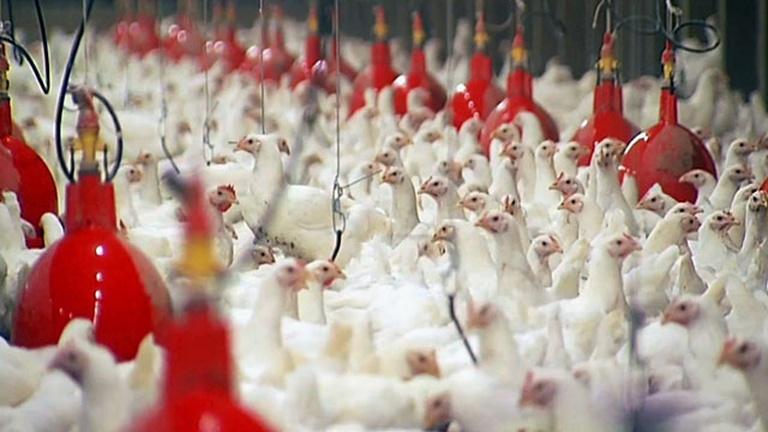
S2 Ep20 | 26m 46s
Alabama poultry, Wisconsin cranberries, California almonds, Washington Dahlias.
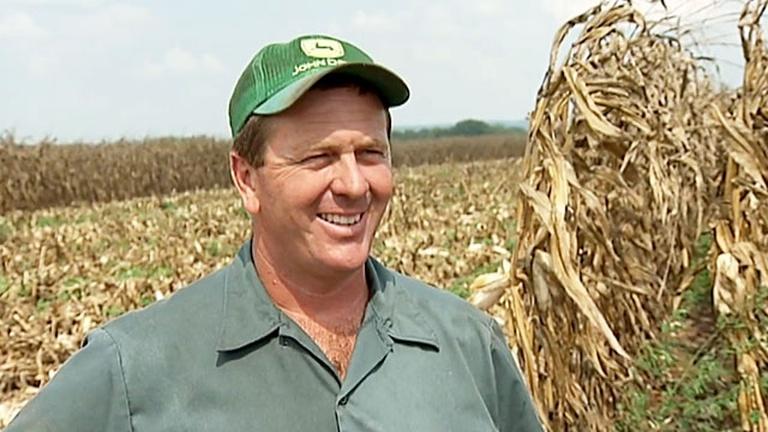
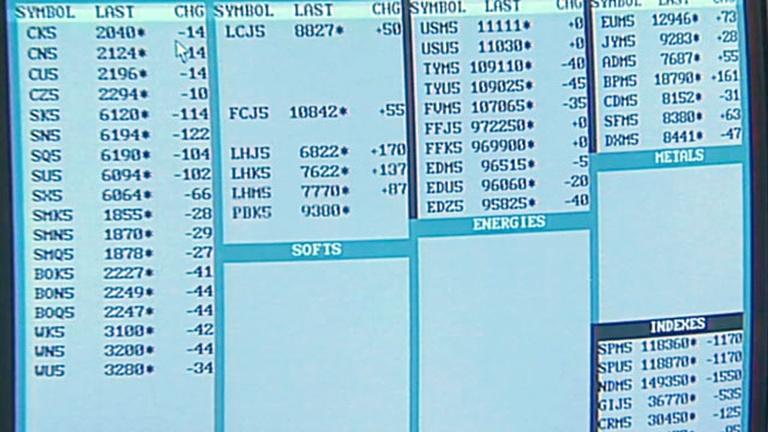
S2 Ep18 | 26m 46s
High tech equipment, Death Valley trees, Utah corn field art, Oregon hazelnut farm!
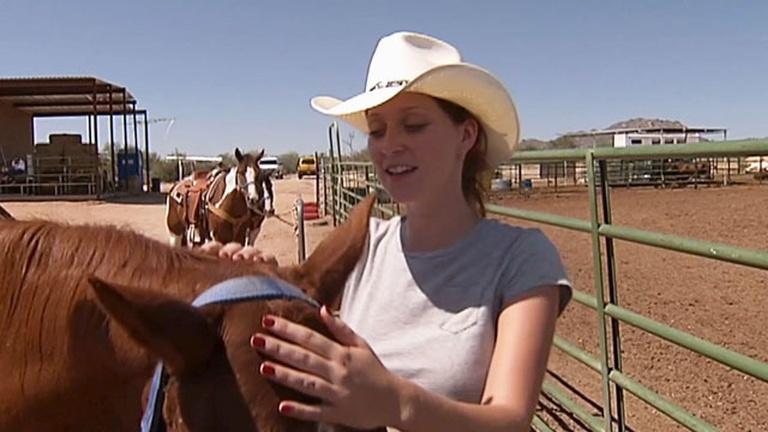
S2 Ep17 | 26m 46s
City folks & ranch hands test riding and roping skills —putting a twist on western life.
S2 Ep16 | 26m 46s
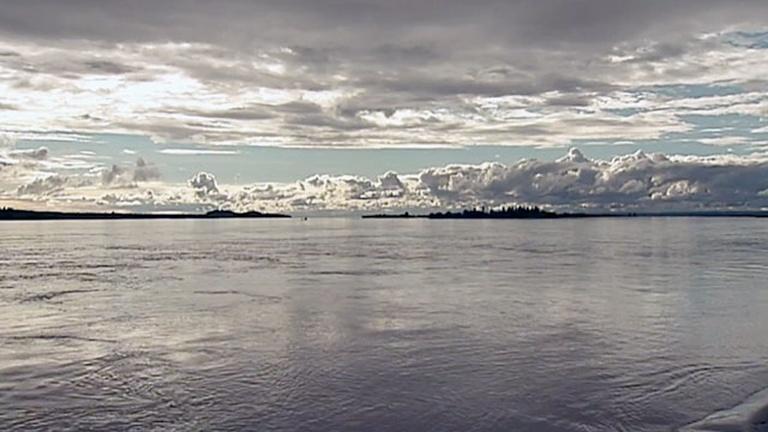
Visit Alaska and meet descendants of a bold Depression-era farming experiment.
S2 Ep15 | 26m 46s
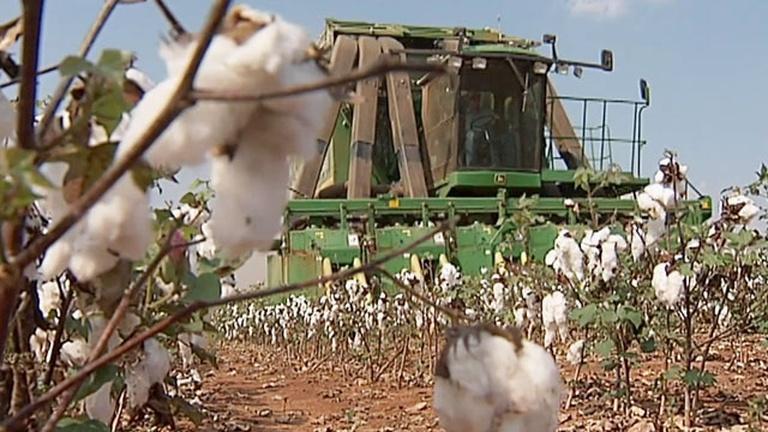
Alabama cotton, Iowa’s mightiest machines, an aquaculture farmer who harvests shellfish
S2 Ep14 | 26m 46s
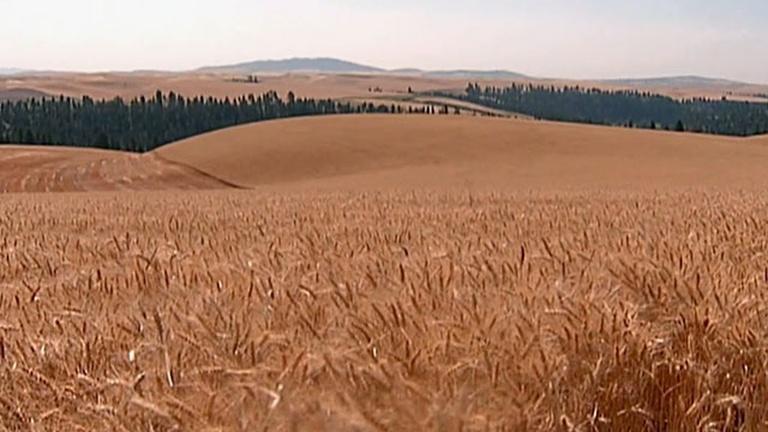
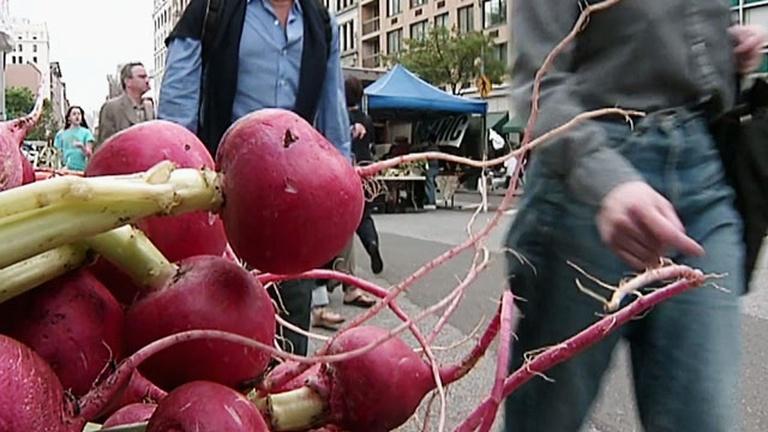
Washington wheat farm, local produce, CA food festival, South Carolina tea plantation
S2 Ep13 | 26m 46s
South Carolina and Arkansas rice, save a farm in Connecticut, Ohio alpaca ranch.
S2 Ep12 | 26m 46s
NYC harvest’s bees, raising livestock in TN, green thumb for horticulture!
S2 Ep11 | 26m 46s
Fulton Fish Market, California sturgeon farm, SF caviar, East Coast gourmet foods.
S2 Ep10 | 26m 46s
The Mississippi River provides rich opportunities and resources for Southern farmers!
S2 Ep9 | 26m 46s
Preserve farm land, farmers markets from Maine to California, winemakers in Kentucky.
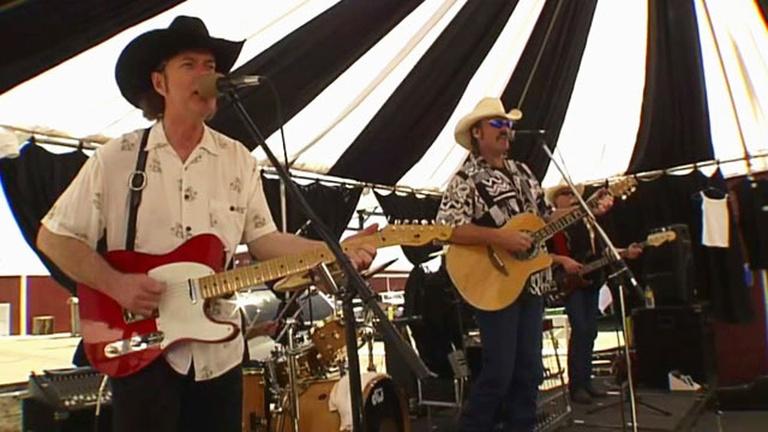
S2 Ep8 | 26m 46s
American country music, gulf coast shrimp, honeybeeds, freshwater pearls in Tennessee.
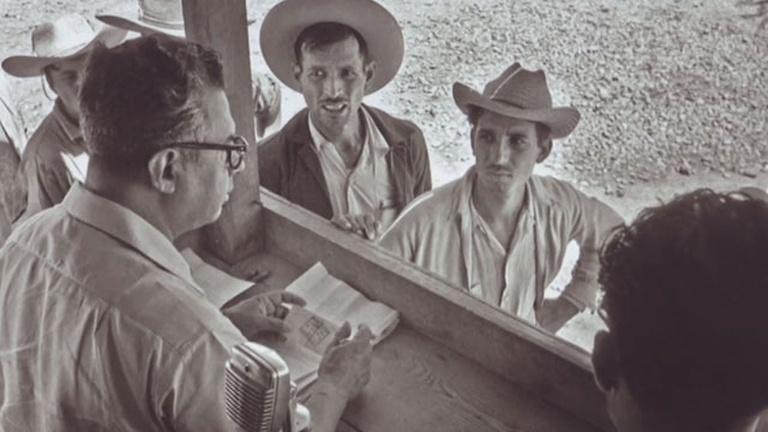
S2 Ep7 | 26m 46s
Braceros during WWII, ride Texas, Georgia and California peaches are so sweet!
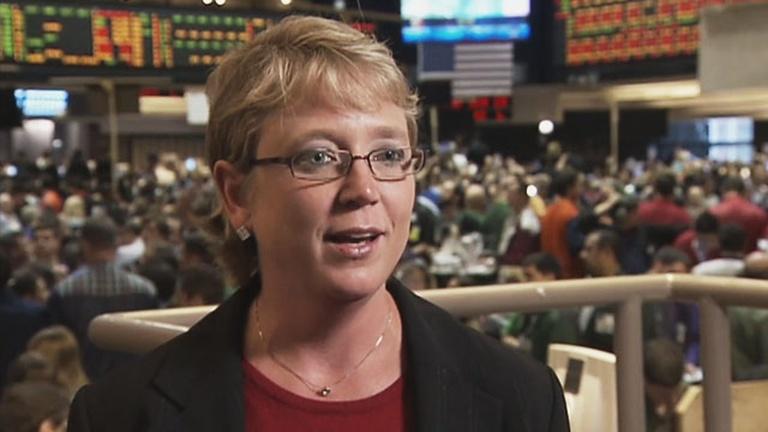
S2 Ep6 | 26m 46s
New ag approaches to save cities, farmers in training, good grades in school gardens.

S2 Ep5 | 26m 46s
Beer makers in St. Louis, tasty crustaceans in the Gulf of Mexico, visit a Missouri dairy
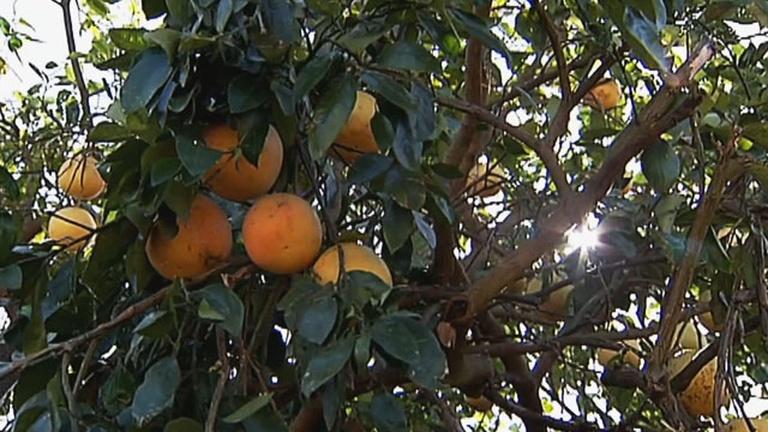
S2 Ep4 | 26m 46s
Agriculture in Louisiana and Mississippi felt the wrath of Hurricanes Katrina and Rita.
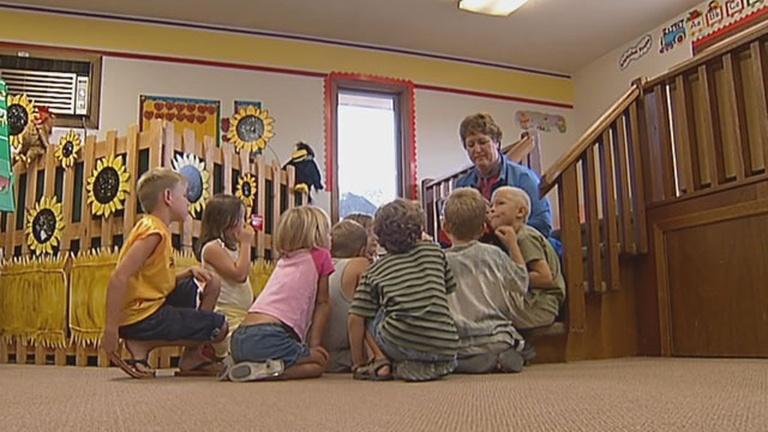

S2 Ep2 | 26m 46s
Meet Willie Nelson, Kentucky machinery show, TN mule breeders, CA restores farm equipment.
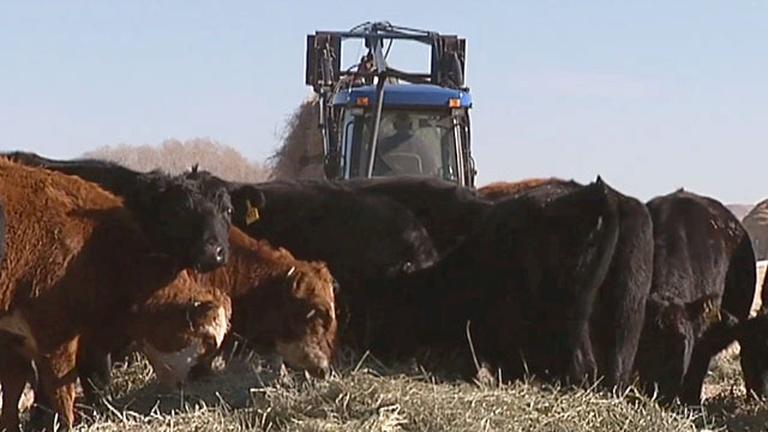
S2 Ep1 | 26m 46s
Wyoming cattle ranch, Florida grapefruits, juiciest watermelons found in the desert.