Virginia Peanut Farmer
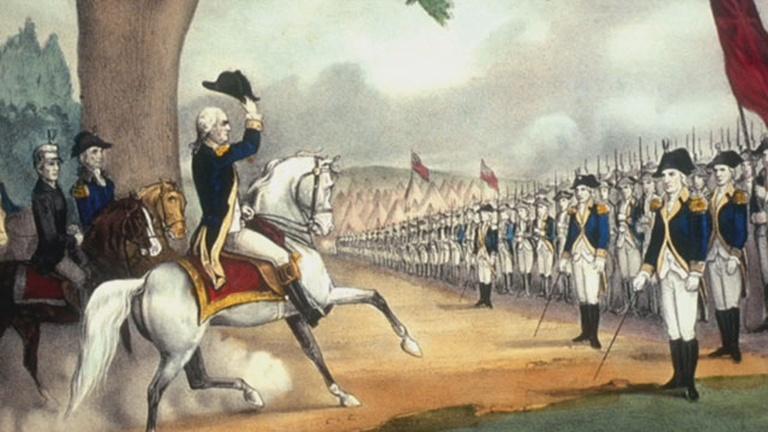
Another way to dig even deeper into our colonial farming past is a journey to nearby Sussex, Virginia where Paul met a family whose agricultural roots stretch back to the days of George Washington.
Seven generations later, they’re still raising the crops of their ancestors while trying to adapt to the changing times.
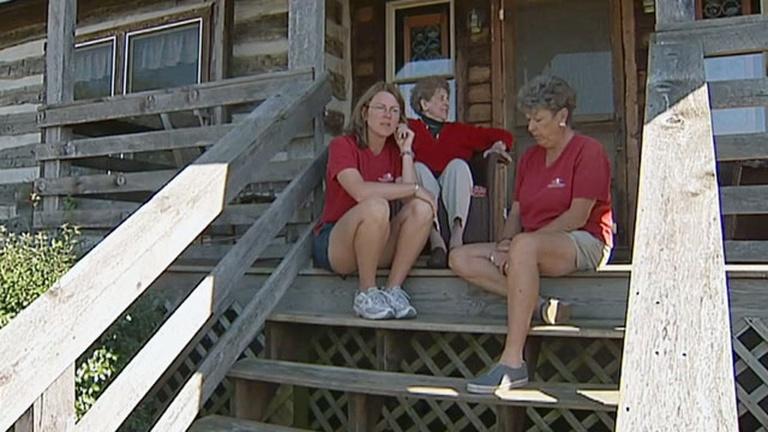
"This is my grandmother and grandfather buried here," says Harvey Dunn. "My mom and dad over here."
For Harvey and his son Keith, a visit to the church cemetery in tiny Yale, Virginia, is like a stroll through their own clan’s history.
Says Harvey, "All these are Dunns that are kin to us. Family’s been coming to this church for years."
Nearly a third of the headstones bear the Dunn name, not surprising for a family whose Virginia roots stretch back to the 1600’s. According to Dunn family legend, their ancestors were among the original Jamestown colonists, a family who later crossed the James river into Virginia’s Sussex and Surrey counties. Another ancestor, John McGlamre, founded the Antioch Baptist church in 1772.
"I’ve been told that I am a seventh generation farmer," says Keith. "The fifth generation to live and work right here on this farm."
"It’s just a little bit of a sense of pride and to think back that your ancestors were here and made a living doing it and enjoyed the life," adds Harvey.
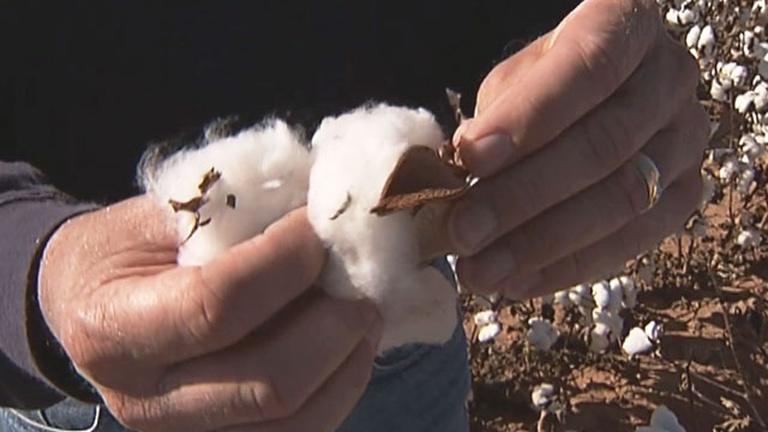
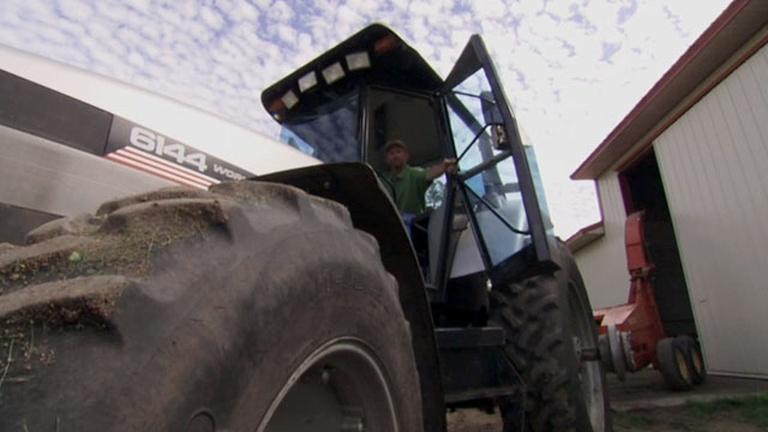
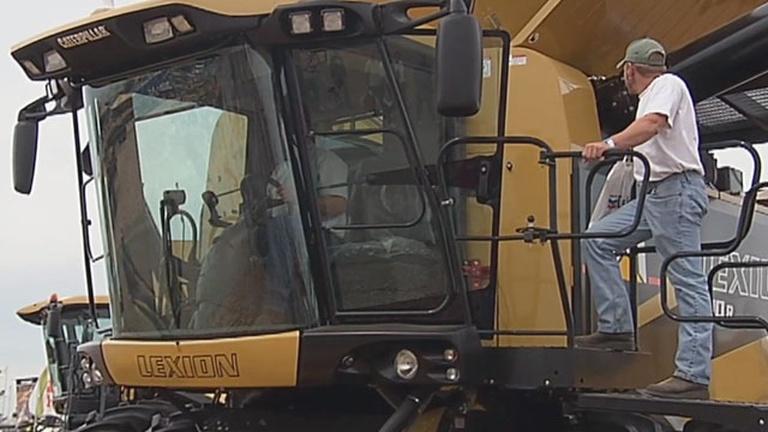
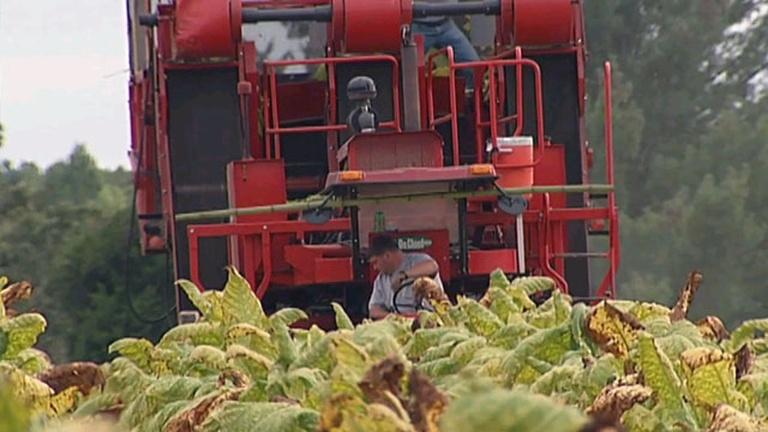
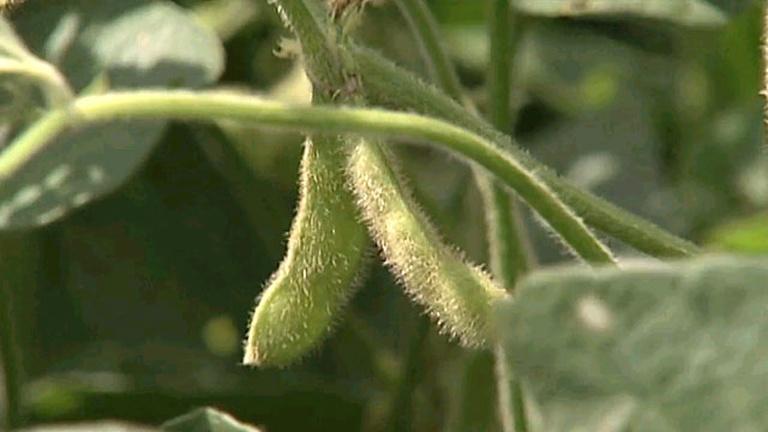
Nowadays, the Dunns farm about 18-hundred acres of cotton, soybeans, and corn. To them, it’s more than an occupation — it’s a way of life.
"I guess some people would just say it’s in your blood," Keith says. "It’s almost like it was what you were called to do."
Harvey agrees. "We are doing this because we love what we’re doing and we have the pride in think that we are doing our part to feed the country."
Peanuts are the crop most deeply rooted in the Dunn family farm history. They’ve been growing them for more than 150 years. The rich sandy soil, mild climate and relatively low humidity of southern Virginia offer near-ideal growing conditions.
"They’re grown down in the ground, under the limbs of these peanuts," Harvey explains. "If we get down here and scratch our fingers under here and pull this vine back, we ought to be able to see a few of them."
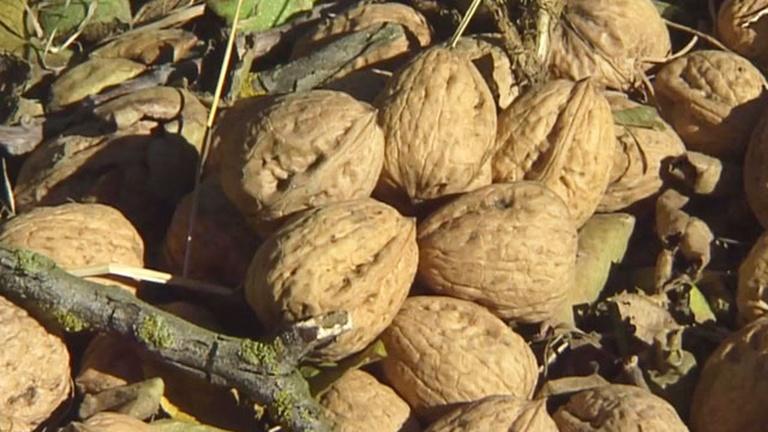
Harvey says peanuts are more "pea" than "nut" — they’re legumes, related to other crops like sweetpeas, soybeans, beans and alfalfa. The peanut grows beneath the soil, like a potato. The nut itself is the seed — planted in may, harvested around mid-September to mid-October.
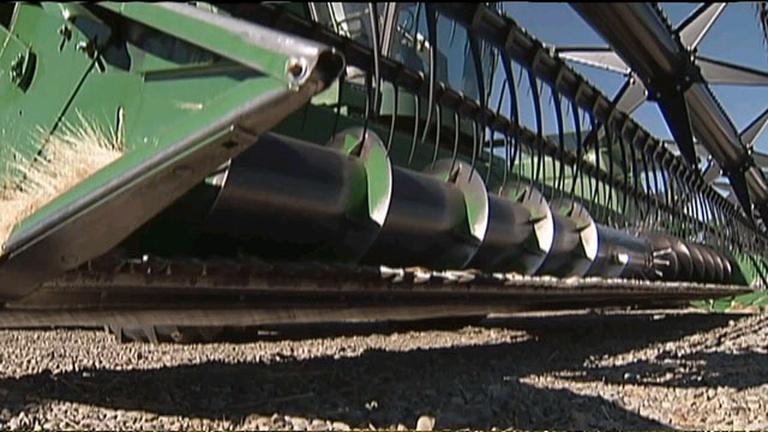
"So this was actually turned this way: upside down?" our Paul Ryan asked Harvey. "Yes", replied Harvey. "All these peanuts were underground; the cutter came along, cut up under; they cut all the roots, and it automatically turns this over, and this is exposed to the sun, the air, and it dries it out. Leaving it upside so it can dry the kernels of peanuts and all, and dry the vines so the harvester can come through and separate the peanuts from the vines."
But that’s just one step in the process. After the peanuts are harvested, they go into big nut wagons, where heated air dries them for a couple of days before they’re sent off for roasting and salting.
As Paul and Harvey sat atop a nut wagon filled with 8000 pounds of peanuts, the farmer explained that most of his crop will become ballpark peanuts, in the shell. They taste OK raw, but much better after they’re roasted in the hull. Smaller and less attractive peanuts will likely end up as peanut oil or peanut butter.
Recent times have been tough for many U.S. peanut farmers. A longtime price support system, called a marketing quota, ended in 2002. Although other government programs provide some help, growers like the Dunns are drastically reducing their peanut planting, from 500 acres to less than 50. As they ponder whether to give up that crop, they also worry about carrying on, even keeping their centuries-old farm.
"You have to wonder what’s going to happen with your next generation," worries Harvey. "Is he still going to be able to survive and make enough money to take care of his family?"
Keith agrees. "It’s really easy to do something you love, but ultimately you’ve got a family to take care of and support. I know I’ve got to support that family, and I spend a lot of time worrying about how to make it work. But you do the best you can."
|