Season 1
S1 Ep20 | 26m 46s
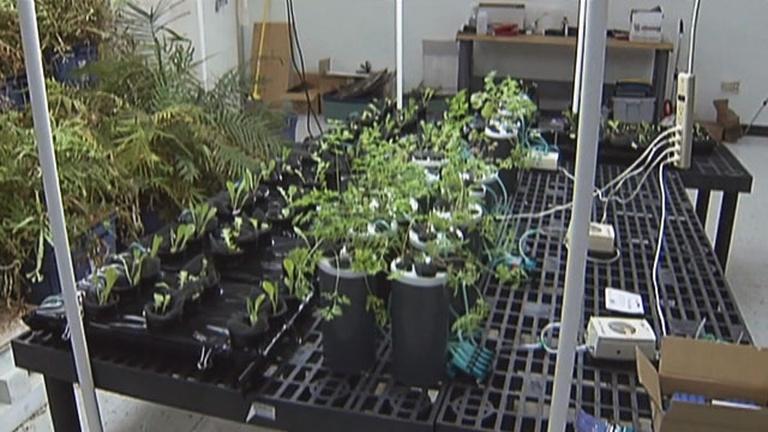
Mandarin oranges, desert shrimp farm, dehydrated food company in Texas, Indiana ducks.
S1 Ep19 | 26m 46s
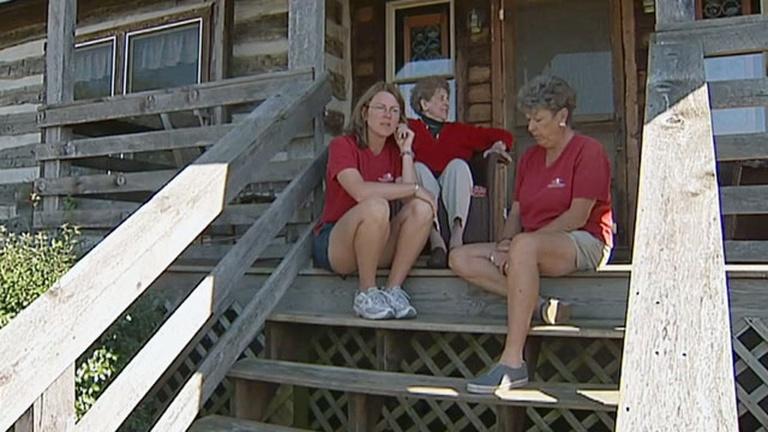
Virginia farm tourist attraction, Future Farmers of America, Georgia hogs,Indiana pickles.
S1 Ep18 | 26m 46s
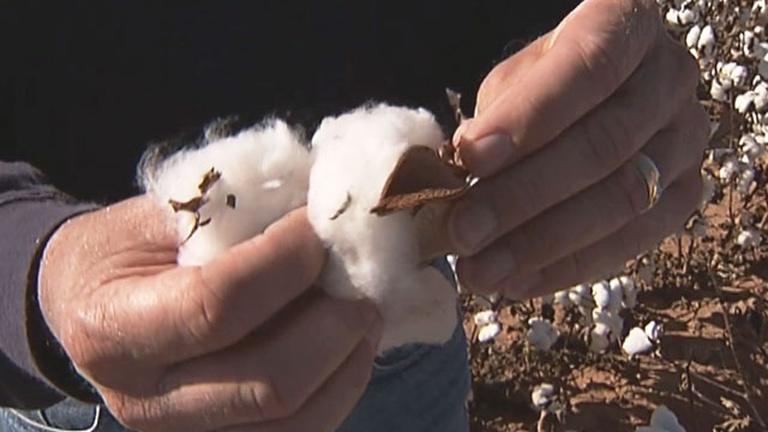
Texas, Lake Superior, Pennsylvania mushrooms, North Carolina truffles, Chile Festival.
S1 Ep16 | 26m 46s
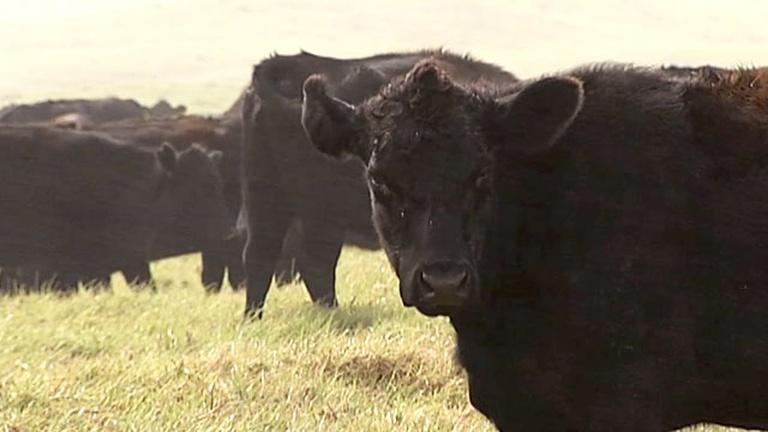
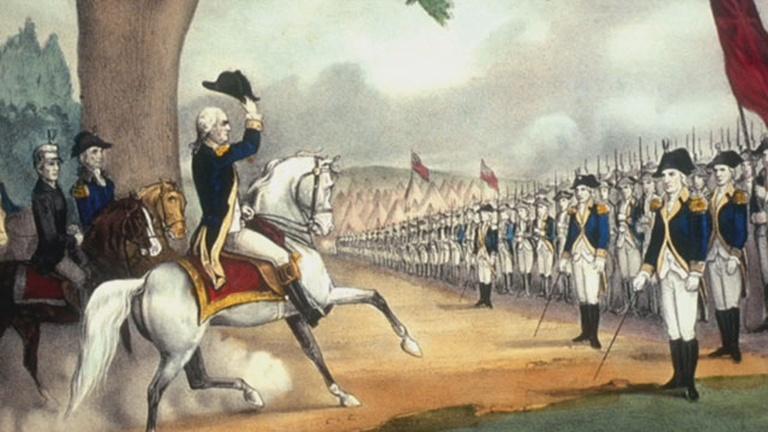
Dive into the historical roots our country bases its agricultural still today.
S1 Ep15 | 26m 46s
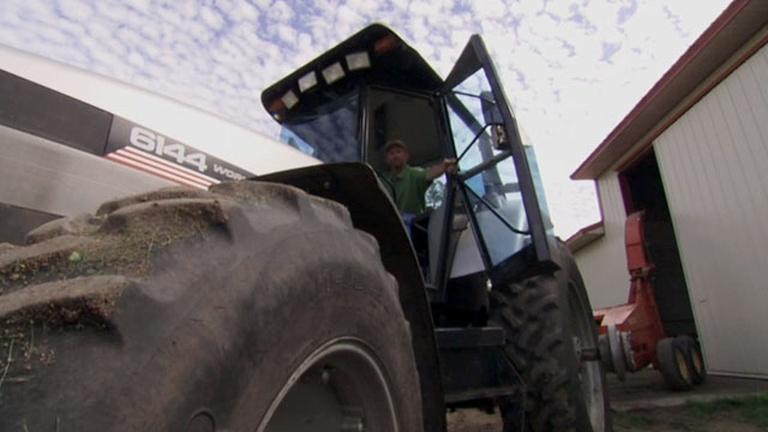
Organic milk, Bluegrass music, North Carolina tobacco, goat milk soap in Montana.
S1 Ep14 | 26m 46s
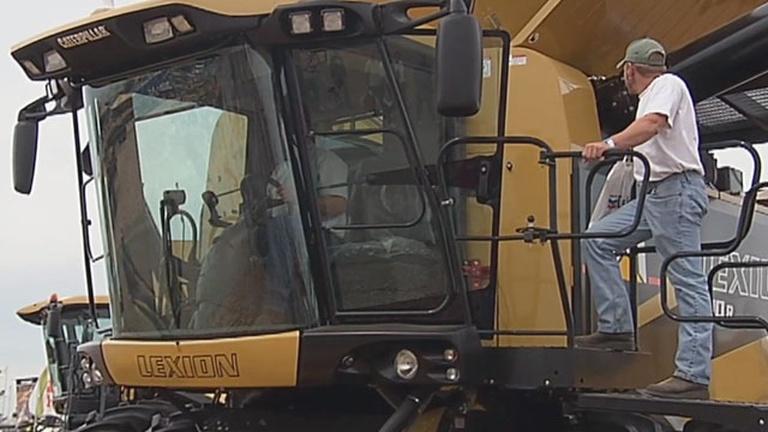
The Farm Progress Show, Kansas State Fair, Nebraska corn farmer, Maine blueberries.
S1 Ep13 | 26m 46s
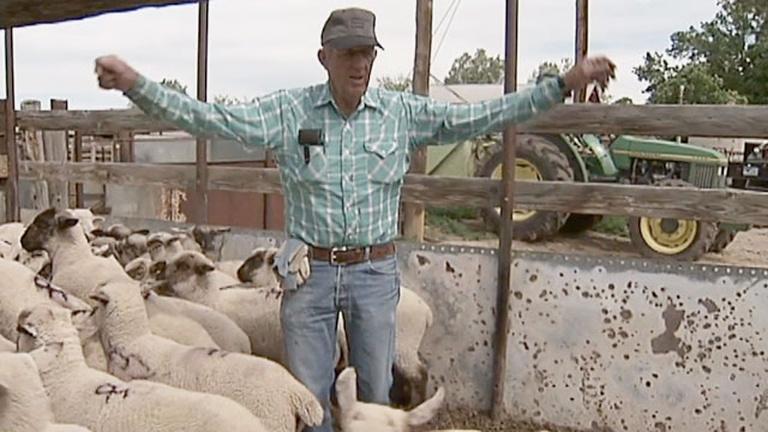
Wyoming sheep, Mount Rainier cherries, Washington orchids, Maine apples, Australian birds.
S1 Ep12 | 26m 46s
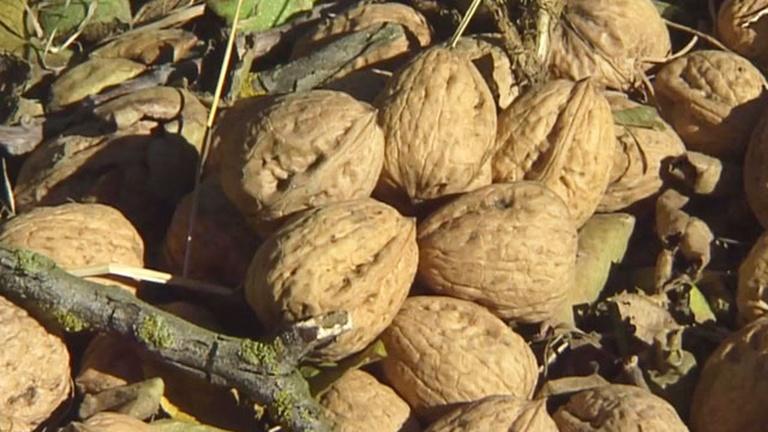
walnuts, wild horses in the West, Montana organic farming, Wisconsin dairy country, feta
S1 Ep11 | 26m 46s
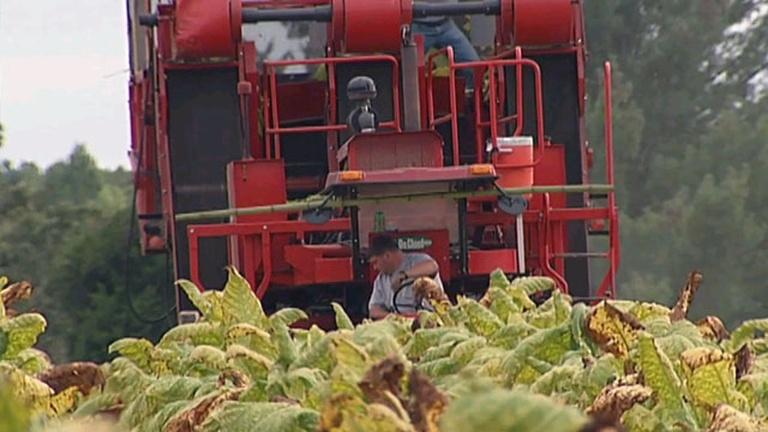
From tobacco to strawberries and flowers in NC, and what’s destroying the heartland?
S1 Ep10 | 26m 46s
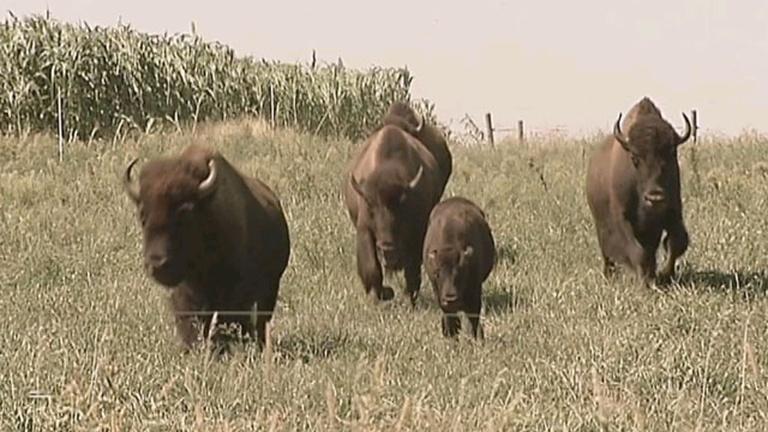
American bison, fuel to agriculture, being “earth-friendly”, celebrate heartland music.
S1 Ep9 | 26m 46s
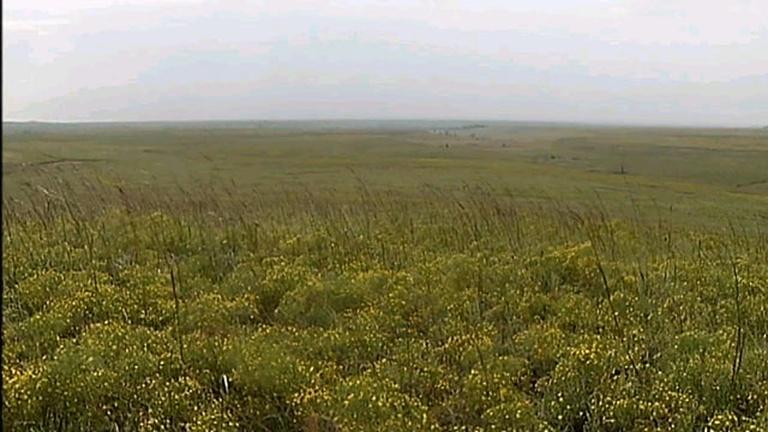
Flint Hills of Kansas, Idaho vs Maine potatoes, potato chips in Ohio, Texas spinach
S1 Ep7 | 26m 46s
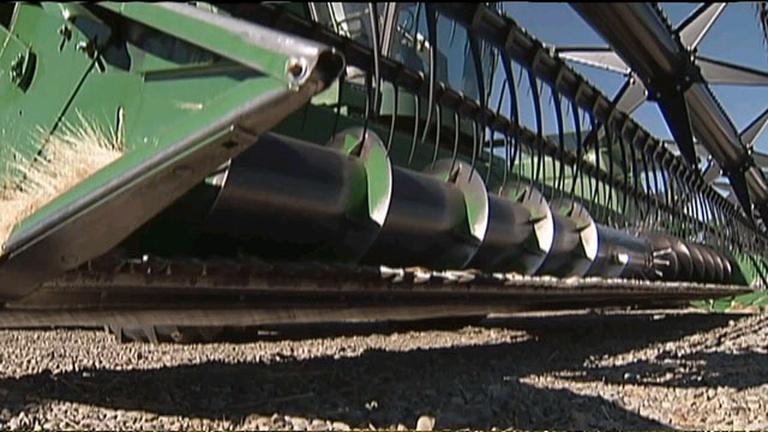
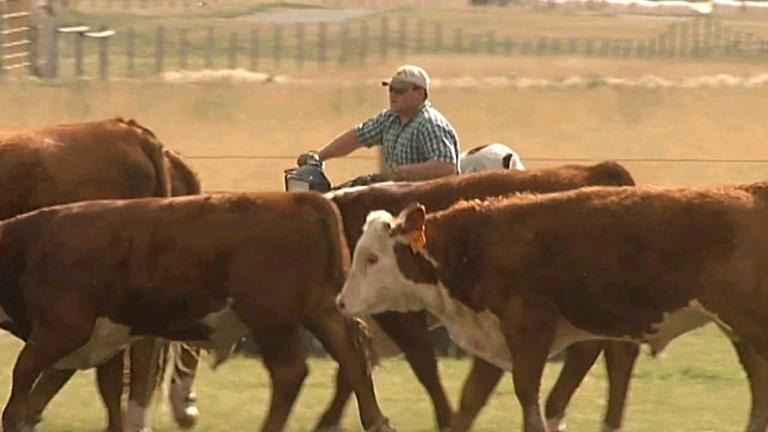
Montana rancher icon, Wyoming cattle auction, Louisiana crayfish farm, Illinois reindeer
S1 Ep6 | 26m 46s
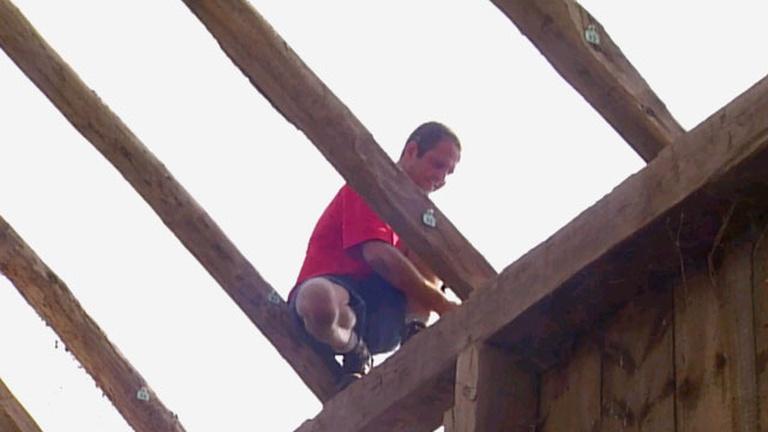
Save old barns, Gloucester fisherman, horse and hand power in Illinois to Kentucky grain.
S1 Ep4 | 26m 46s
Get some of the biggest stories in American framing straight from the heartland!
S1 Ep1 | 26m 46s
Celebrate agriculture by profiling the people, places, and processes of American farming!