America's Heartland
HomeStoriesRecipes & TipsScheduleEducationBlogAbout The ShowAg in Your StateShop
 
Episode 218

Hazlenuts

Hazlenuts

Hazlenuts

Hazlenuts

Hazlenuts


Hazelnuts Watch Video

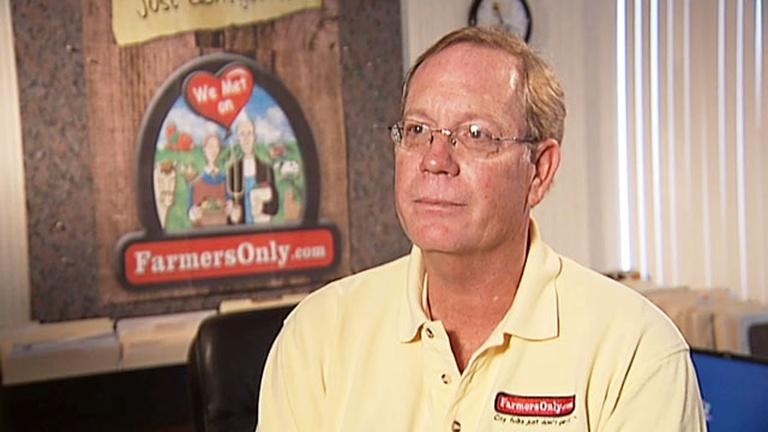
Dick Vanderschuere wasn’t born into the hazelnut business- he bought his way in 28 Years ago-moving his family from California’s bustling bay area to a peaceful 45 acre farm in Oregon’s agriculturally rich Willamette valley. Dick says, “We thought it was a lovely place and I didn’t know about hazelnuts but I knew I could learn.”

This region is home to 99 percent of America’s Hazelnut production. Working with agents from Oregon State University’s extension service and talking with growers, Dick learned enough to keep his twenty-five acres of hazelnuts in production. Growing the nut isn’t the only challenge.  Marketing is an important part. The “Hazelnut growers of Oregon” is a farmer’s co-op that promotes the region’s products around the world.

Leonard Spesert of the Hazelnut Growers of Oregon explains how the nuts are marketed, “We process and market about one percent of the total world supply and we’re the largest handler here in Oregon. The markets are located primarily in Europe, the Americas-north and south and also in Asia. China has become one of the biggest buyers of Hazelnuts in the last ten years or so.”

The co-op not only sells whole nuts but also shells them and turns them into manufactured or ingredient products. Today they’re making hazelnut paste.

It’s like hazelnut butter-like peanut butter but we add sugar and some oil to it and it’s made specifically for customer specifications. The co-op also runs a retail store and website-tempting customers with candy coated hazelnuts in flavors like huckleberry and butterscotch. And what about calories??? Linda Anderson manages the store, “We don’t count calories. They’re high in calories but the fats make up for it. The good fats.”

You might not have known that the hazelnut is also called Filbert. Some suggest that the name originated in England when the nuts were harvested in the autumn quite near the feast of St. Filbert.  The hazelnut is not native to North America.  The first mention of it was in China in 2800 B.C. it then made its way to the Mediterranean -it came to North America with colonial farmers and then found its way here to Oregon in 1858. Dick Vanderschuere says, “It’s particularly well suited to hazelnuts because we have a marine climate. The ocean is only about 70 miles from here and it comes right up the Columbia River. So we have this perfect environment for growing hazelnuts.”

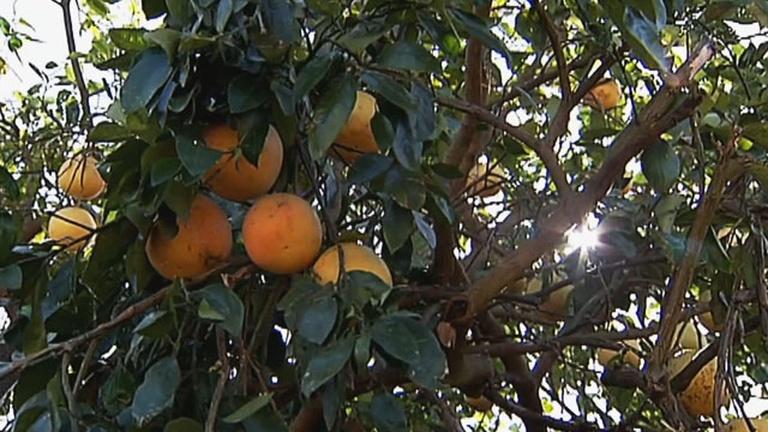
It takes about ten years for a hazelnut tree to start producing production quantities. The trees are self pollinating. A part of the tree called catkin releases pollen that travels to the bloom and ultimately creates the hazelnut. Fertilization occurs in late spring. The nuts mature all summer and start to drop in September. They begin to fall in round the first part of September.

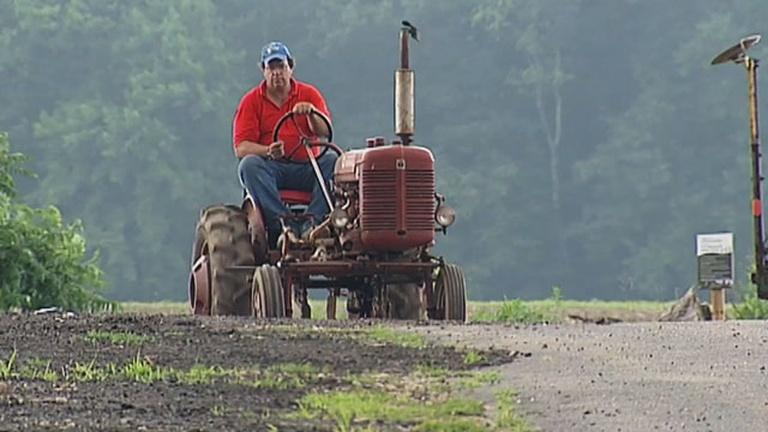
Dick makes sure the orchard floor is smooth and even. Making it easier for harvesting equipment to pick up as many nuts as possible.  He’s working alone today but come harvest season his adult children who live off the farm can’t wait to come home and help out.  Daughter Carrie Aman says it’s a special time, “Now in a later generation now that we have our own children and knowing how important it is to instill the family values and everything that’s come across through the farm and working hard on the farm as a family is irreplaceable, so we’ve had a great time with it.”

www.oregonhazelnuts.org

Nut News
Sales of nuts including hazelnuts have become a multi billion dollar business - thanks in part to the popularity of high protein diets.  Recent health news that nuts provide antioxidants along with unsaturated fats has given them a boost on the American snack food stage.


The Monsanto Company and the American Farm Bureau Federation make presentation of America's Heartland possible.

Monsanto        Farm Bureau
Additional production and promotion assistance is provided by the American Soybean Association, National Corn Growers Association, National Cotton Council, United Soybean Board and U.S. Grains Council.


A production of KVIE, Sacramento, California. Distributed byAmerican Public Television
©2007 KVIE, Inc. All rights reserved.
Home | Search