| Kenai Salmon
We can’t spotlight Alaskan agriculture without including its close cousin, aquaculture. Seafood — king crab, whitefish and salmon, — are a big part of the state’s economy. Commercial salmon fishing began here back in the 1880’s. Today, Alaskan waters produce more than seven hundred million pounds of the tasty fish. And many consider the Kenai Peninsula to be “salmon central.”
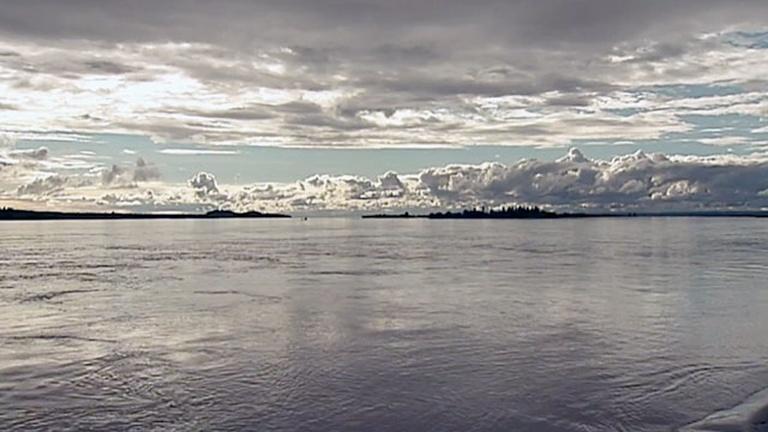
In midsummer on the Kenai river, the cold waters come alive with millions of spawning salmon. They have journeyed thousands of miles throughout North Pacific, and now return to where their life began.
At the same time, Alaskan fishermen head out to where the river empties into the Cook Inlet. They’ll spend six weeks trying to intercept those salmon.
“You have pristine waters. You have clean water here,” says Nate Berga of R&J Seafood. “You have ample food supply in the rivers and lakes where they spawn.”
When that six weeks is over, salmon processors like Nate will have processed and sold about a million pounds of fish. About 65 percent of R and J’s business is selling whole frozen fish, like the 50 pound king salmon he showed us. It gets cleaned and gutted and put in a box and shipped to the lower 48.
Salmon fishing is a way of life here on the Kenai peninsula. For generations, most families have had some role, either working in processing plants, or out on the water. Leon Marcinkowski and his daughter Julie have been fishing for 30 years.
“I really enjoy it,” says Julie. “We had one day this year where we caught 15 fish. So, here I am in this great big tote, and bringing in 15 fish! But it was a good day. Everybody had fun. We worked hard and you just have a good self being that you are doing something productive and it’s just a way of life.”
Add Leon, “Consequently, we had about, about five six years ago, we caught 25,000 pounds in one day.”
In these waters, commercial salmon fishermen use huge nets to catch mostly king and sockeye salmon…then head out on a small boat to collect the salmon.
“ So we’re in a dory, a boat, and we go out there and we get under the net.,” Julie explains. “And we pull ourselves, pull the net over the boat and we pick them out. And we’re putting them in slush ice on our skiff, in an insulated tote.”
The competition for Kenai fishermen on the global market is getting tougher. So to take on inexpensive farm-raised salmon, in 2002 Kenai fishermen and processors created the brand “Kenai Wild.” The idea: market the salmon caught in these waters, while at the same time enforcing strict guidelines from the moment the salmon are caught.
“We immediately chill them, and then there is a protocol, and we follow that protocol from the fishermen all the way through the fishing plants to the end consumer, “ explains Rick Roesky, the manager of the Kenai Wild program.
Adds Nate Berga, “The individuals that process the fish, the individuals that catch the fish are committed to the best product that they can get on a dinner plate. It’s cost competitive and it tastes great.”
A sense of pride in this area’s salmon fishing history can be seen at the old Kenai landing cannery. Built at the turn of the 20th century, it’s still used for processing and packaging salmon…on a smaller scale. The old buildings that used to house workers and canning equipment are now home to shops, restaurants and lodging. Of course Kenai is just one of many places around the great state of Alaska with a proud history of salmon fishing. As long as there are fish in those cold waters…hearty Alaskans like the Marcinkowskis will be catching them. Hard work? Sure, “but it’s fun,” says Julie. Her dad agrees. “You know, and I’ve told everybody this, with the day it becomes work…I quit.”
Did you know…
Alaska’s Kenai River is one of the most popular sport fishing areas in the world. The Kenai is home to four species of salmon and up to three million fish spawn in the river waters each year. King Salmon fishing is popular with anglers here. In 1985 one fisherman hooked a King Salmon that weighed in at more than 97 pounds!
For more information:
www.kenaiwild.org
|