Chili Harvest
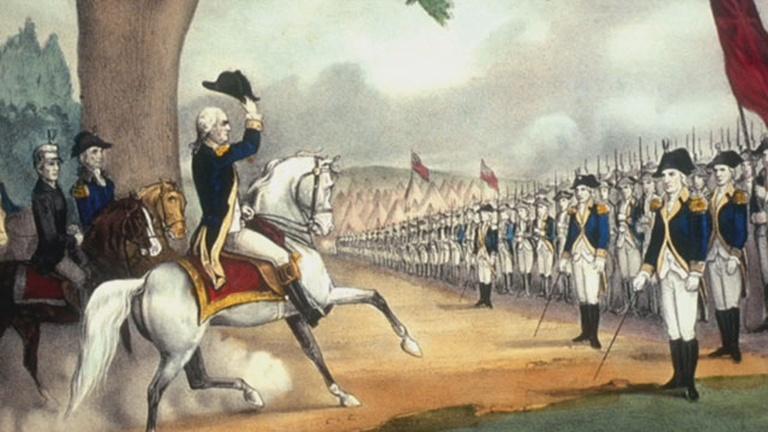
You may think the chile pepper is a relative newcomer in American ag, but fact is, George Washington cultivated hot chiles on his farm in Mount Vernon. Since then, it’s evolved into an astounding array of species and varieties.
Paul recently visited the small town of Hatch, New Mexico, and discovered it’s a real hotbed for learning about — and sampling — this hot crop.
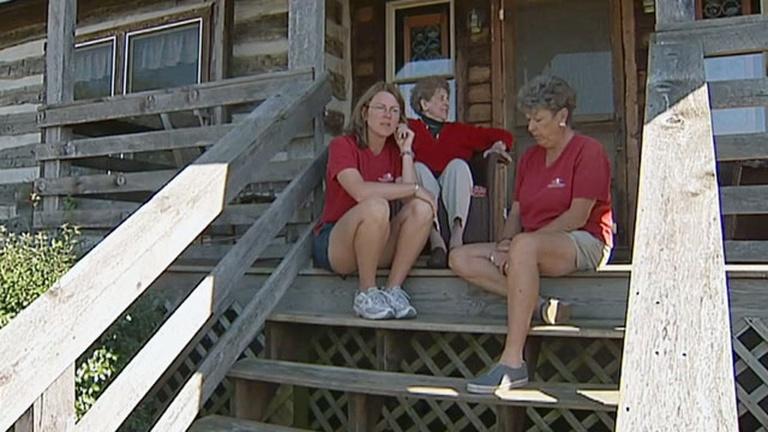
"Well, I had always dreamed of becoming an airline pilot," admitted farmer Chris Franzoy. "And after high school here in hatch I attended college at New Mexico university and hadn’t planned on coming back to Hatch and farm."
Chris Franzoy’s high-flying dreams of getting behind the wheel of a jetliner took a back seat when the family farm lured him home. It was hard for Chris to ignore almost one hundred years of family history in this warm fertile valley, where growing conditions for all things chile turned out to be ideal.
Many of Hatch’s 2000 residents are involved in some aspect of the chile business.
It all started around 1888 when a horticulturist at the New Mexico College of Agriculture began experimenting with different types of chile pods. As time went by, some did especially well in the fertile New Mexico soil, turning the state into a mecca for chile growers. Chile fanatics soon followed and Hatch became their ground zero. Among the biggest players in the local chile business is the Franzoy family and their "Young Guns Produce."
"Hatch chile is very famous, very popular because of its spicy flavor," Chris says. "Our business is growing at the rate of ten percent a year."
And what is it that’s heating up our taste for chiles?
"It’s addictive," he says. "Once you’ve had it the first time you’re gonna want it again and again." In the chile fields, he showed us a popular variety. "This is the Big Jim variety. It’s a large pepper. It’s a medium hot pepper and it’s used primarily for making chiles rellenos."
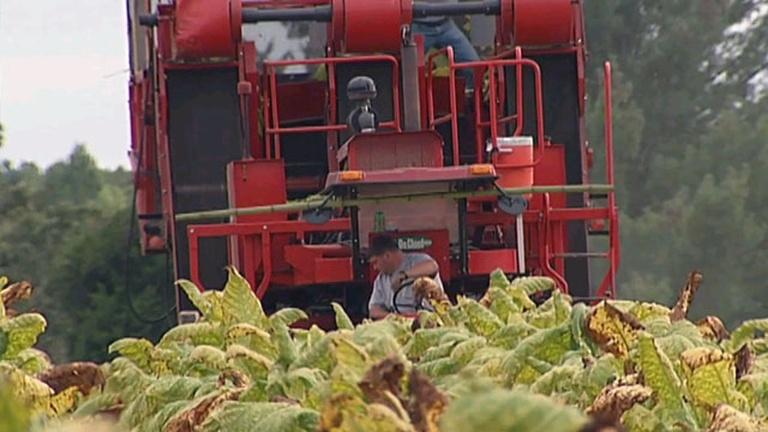
The chile harvest begins around the first of August and is done by hand. That’s because these chiles must be picked carefully without any bruises, cracks or breaks, which can occur with mechanical harvesters. By mid-to-late September, these green chiles have turned red. They’re picked by machine and ground into chile powder or red pepper flakes that you sprinkle on pizza and other foods.
After harvesting, Chris oversees sorting in the Young Guns warehouse, where the fresh chiles are boxed up or sealed in burlap sacks.
Hatch chiles can be roasted, peeled, and canned whole, or roasted, peeled and chopped for dishes like green chile enchiladas, or chile verde, a green chile stew. The favorite dish around here for whole fresh chiles is chiles rellenos — green chiles stuffed with cheese and coated with a light batter.
No place is better to sample the authentic taste of Hatch than at its annual Chile Festival on Labor Day Weekend. That’s when this little town swells with thousands of people crazy about chile.
Wade Worrell has been involved for some thirty years and likes his chile on the hot side. "You can tell when you got some good chile," he says. "You kind of start perspiring on your face. Your eyes water a little bit. That’s just about right. Any hotter than that It’s a little tough for me."
And for Paul, too, since a little heat goes a long way! The next time you pick up a can of chiles or buy ‘em fresh at the grocery store, remember the little town of Hatch where green chiles have turned to gold.
Additional information:
http://www.lascrucescvb.org/index.html |