Parker Ranch
When we think of the heartland, we often think of our American Midwest. But the rich and varied world of American agriculture spans our continent. It's even some 22-hundred miles out into the blue Pacific including the Big Island of Hawaii.
One perfect example just happens to be host Paul Ryan’s favorite places there. The Parker Ranch is one of the largest, and oldest, cattle ranches in the U.S.
Its history is the stuff of legend – of explorers, kings and cowboys. A place where visitors can experience the old West, Hawaiian style.
"I’m born and raised here on Hawaii, and I always wanted to be a cowboy," says Corky Bryan. "And I have the greatest job in the world."
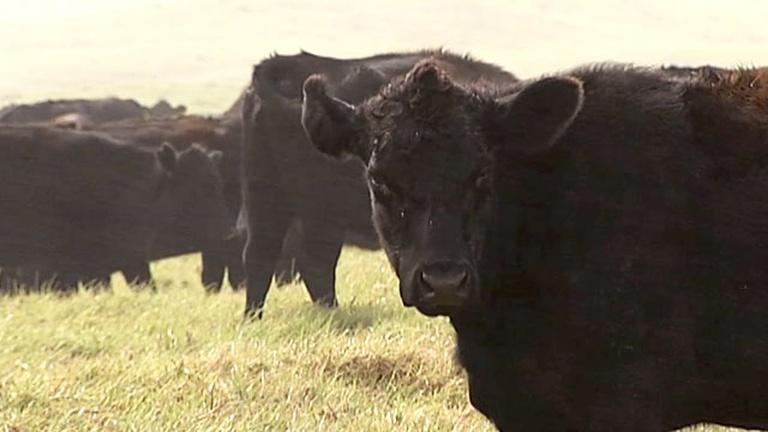
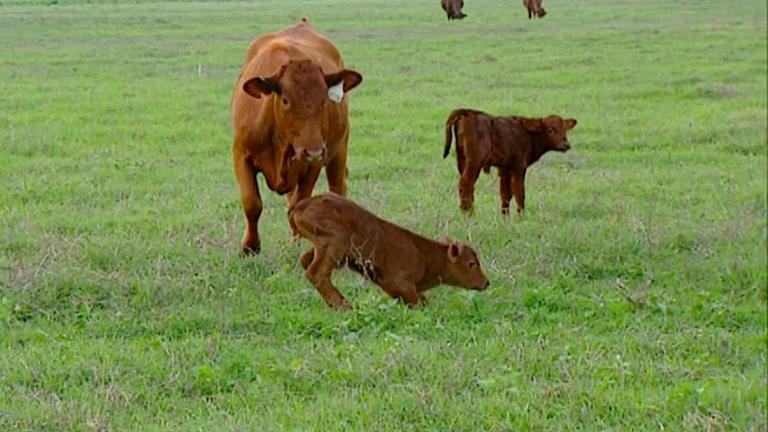
Corky will be the first to acknowledge — his job is the envy, and a fantasy, of many of us working more mundane jobs. He spends his days managing close to 35-thousand cattle at Parker Ranch – a 175-thousand acre spread on the slopes of Hawaii’s Mauna Kea volcano.
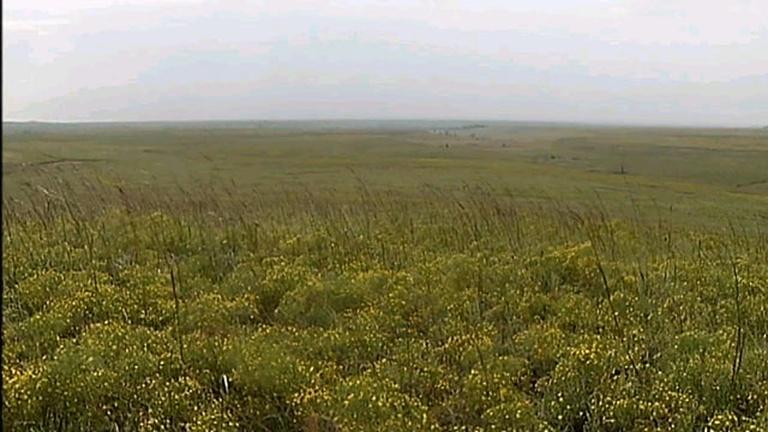
"We’re the fifth largest cow herd in the United States," says Corky. "We don’t get the winters, the hard winters. So half of our cowherd is bred in the winter and half of our cowherd is bred in the summer. We have grass on the ranch, green grass, year-round."
Parker Ranch’s history begins in 1809. A 19-year old Massachusetts sailor named John Palmer Parker was onboard a ship that stopped in Hawaii on its way to China. Parker fell in love with the Big Island, jumped ship, and soon became friends with King Kamehameha the First, who hired him to hunt wild cattle that were roaming the island. So successful was he that Hawaiian beef soon became a top export. A later king, Kamehameha Three, rewarded Parker by letting him buy some royal land. Corky showed us the first homestead, still intact.
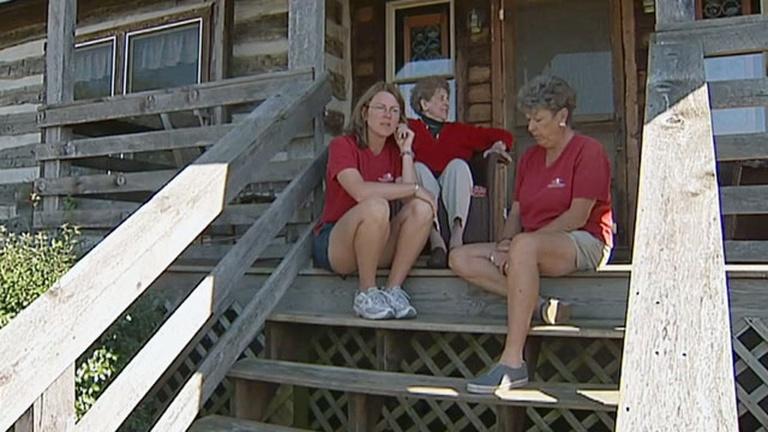
"This is the original two acres that John Parker the First bought from King Kamehameha III in 1847, and built this home." John Parker actually lived in it? we asked. "Yes, that’s where he lived," replied Corky. "Of course he first lived in a grass shack, but this is the first western-style home that he built."
Parker also had the good sense to marry a Hawaiian princess. That cemented his relationship with royalty and led to the birth of a cattle dynasty — a ranch that at one point spanned a half-million acres. Most of the Parkers, and their Hawaiian in-laws, are buried in a small cemetery set amidst the cattle pastures.
Visit Parker Ranch today, and you’ll be able to trace the Parker lineage through its many generations. A museum in nearby Waimea tells visitors the whole story, including the fact that after the last Parker died in 1992, the ranch became a charitable trust. All net income now goes to local schools, hospitals and other worthy causes. You may also get to meet one of the dozen or so "paniolos"(Hawaiian cowboys), the name coming from the Spanish word "pañuelo", a nickname for the Mexican cowboys who originally worked the ranch and taught the locals how to ride horses. Scott Spence traces his paniolo roots back seven generations to his great-great grandfather.
"Just been around it all my life, and never thought I’d be doing it," said Scott. "But I just sort of fell into it. Paniolo is some guy, Hawaiian cowboy, who lives on the land, loves the land, loves what he does."
In the old days, paniolos drove the cattle for miles all the way down to the beach. Corky says they basically swam those cattle out to the big boat, and individually lifted them out on a hoist to the deck of a steamer.
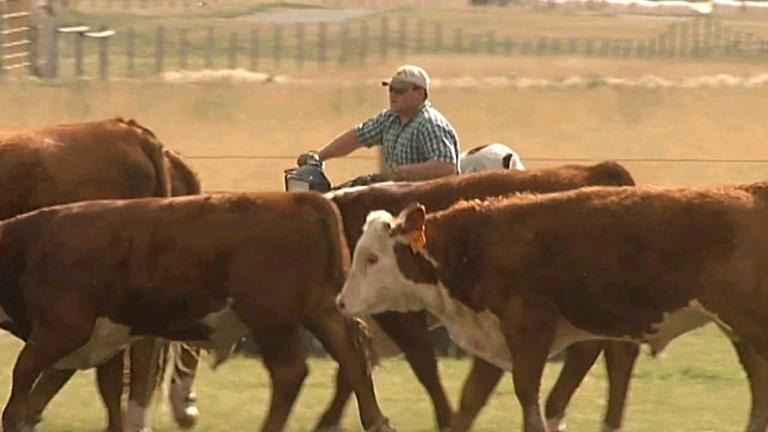
Nowadays, it’s cattle trailers, container ships, even 747s transporting thousands of Angus and Charolais cattle to the mainland. Back at the ranch, these young paniolos still ride horses but they’ll likely spend just as much time atop an all-terrain vehicle.
"Actually, they do a tremendous job with the few that we have," says Corky. "Because of the ATVs and the cell phones and because of the vehicles, they can cover a lot more country than we used to be able to do."
Parker Ranch, like so many cattle ranches, is facing the challenges of modern times with modern equipment and by sharing their history and scenic beauty with tourists. Even so, they strive to keep a foothold in the past and the proud legacy of an extended family that loved this temperate land and cherishes it still.
"That’s just sort of the way it is, you can never re-live the past, you just have to move on and enjoy it while you got it," says Corky. But, he adds, "When you’re in this business in Hawaii, you want to be at Parker Ranch, and here I am."
Additional information:
Here's another fascinating piece of Parker Ranch history: between 1843 and 1845, Hawaii was home for 50,000 U.S. marines as they prepared for the battles of Iwo Jima and Okinawa. Parker Ranch played an integral part in hosting the marines at what became known as Camp Tarawa. A monument to the marines who trained here can be seen along the highway near the ranch entrance.
Web info: www.parkerranch.com |