America's Heartland
HomeStoriesRecipes & TipsScheduleEducationBlogAbout The ShowAg in Your StateShop
 
Episode 110

High Tech Dairy

High Tech Dairy

High Tech Dairy

High Tech Dairy


High Tech Dairy Watch Video

As agriculture changes, technology is what drives Mason Dixon Farms near Gettysburg, Pennsylvania. From state-of-the-art milking parlors to a system that doesn’t let cow waste go to waste this historic farm is a living laboratory. "We use that phrase because we’re in a constant change, flux," Richard Waybright says. "One new technology makes it possible to introduce another technology that will continue to improve our efficiency."

Richard Waybright is the 8th generation family member to run this farm that literally straddles the Mason Dixon Line. Part of it is in Pennsylvania and part of it is in Maryland. He attributes his family’s success in part to their German heritage. "We’re kind of a stubborn group of people," he shares. "We have a fierce determination that we can do things." And something he and his family are doing is constantly looking for new ways to do things better - both economically and environmentally.

Waybright recognizes that he needs to be on good terms with his neighbors, many of whom may not appreciate the smells that emanate from a typical dairy farm. But his isn’t typical since he’s taking advantage of new developments in “manure management”.

His farm’s on-site bio-gas digestion system processes 52,000 gallons of manure and urine a day to produce methane gas. That gas drives generators that produce 320 kilowatts of power daily—more than enough electricity to operate the farm and sell some back to the utility company. So the farm actually receives a monthly check rather than a bill! And his appreciative neighbors come out ahead as well.

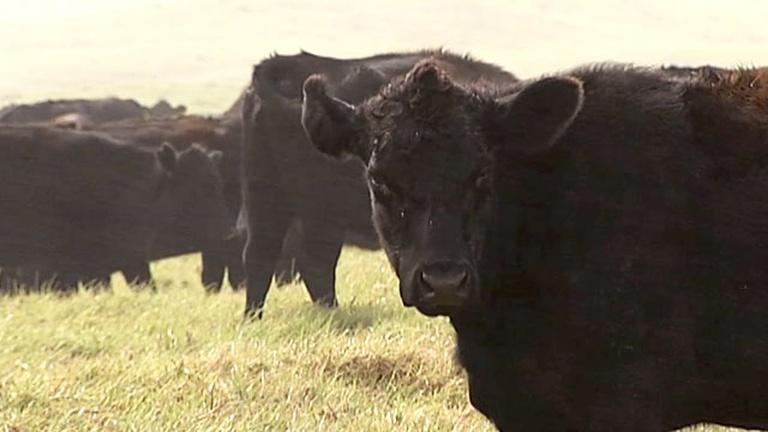
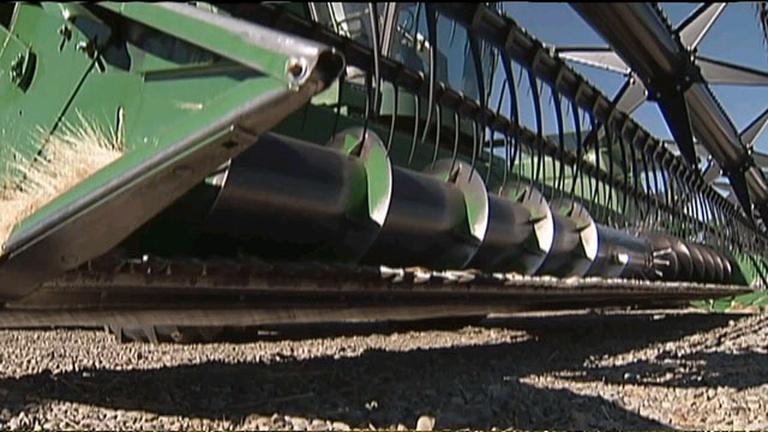
Waybright is also good to his cows. He says his ventilated barns are much better for them than lazily grazing in an open field. The much cooler temperatures inside the barns is more beneficial than keeping cows out in the hot sun. And their feed is also handled in an environmentally-friendly, efficient way. Field hay is harvested with a self-propelled mower that can mow 30 acres per hour and not damage the soil.

As for the future, Mason Dixon Farms will continue to live by the old adage that the only constant is change and that’s the only way this dairy can thrive.


Additional information:

Fast Facts:
Way back in 1784, the Waybright family bought 375 acres of farm land from Richard Penn, the grandson of William Penn, founder of Pennsylvania, which means “Penn’s Woods”. (source: www.nationalgrange.org)

The Mason Dixon line is the division between the northern (free) and southern (slave) states. It’s named for the two surveyors who mapped the line in the 1760s: Charles Mason and Jeremiah Dixon.

For more information:
From the Amish farms and markets of Lancaster County to historic sites like Gettysburg, Pennsylvania offers a wealth of travel experiences. Go to www.visitpa.com to plan your trip.


The Monsanto Company and the American Farm Bureau Federation make presentation of America's Heartland possible.

Monsanto        Farm Bureau
Additional production and promotion assistance is provided by the American Soybean Association, National Corn Growers Association, National Cotton Council, United Soybean Board, U.S. Grains Council and National Association of Wheat Growers.


A production of KVIE, Sacramento, California. Distributed byAmerican Public Television
©2007 KVIE, Inc. All rights reserved.
Home | Search