Modern-Day Cattle Drive 
It’s one of the most exciting and enduring images of the Old West: the cattle drive with hard-working cowboys urging hundreds of animals across dusty plains on the way to distant markets. If you think it’s strictly a relic of the past, think again, especially in the wide-open foothills of Montana's Rocky Mountains.
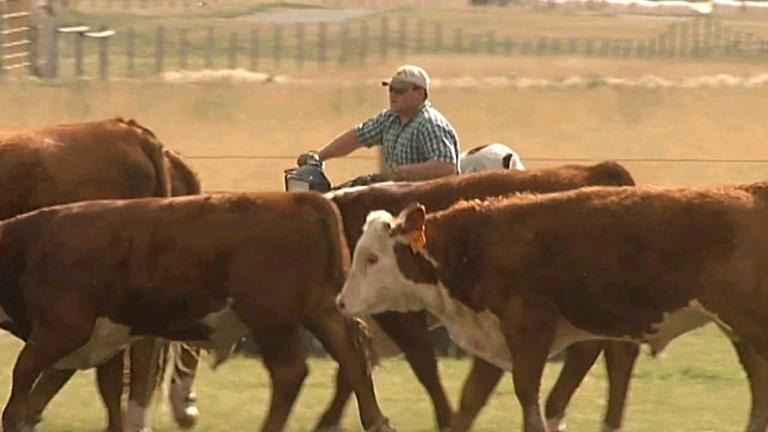
This is where rancher Jack Holden leads a 21st century cattle drive, replacing horses with 4-wheeled all terrain vehicles. But at its heart is the same ritual done by generations who have come before these modern-day ranchers.
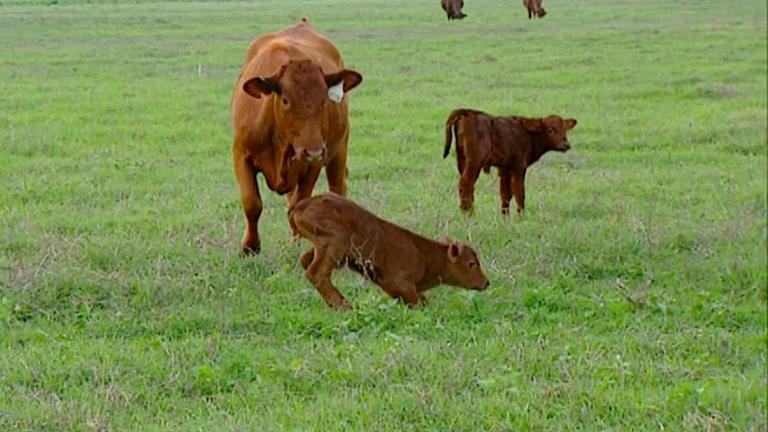
If beef at the grocery store is the end of the production process, this is the very beginning. Very few of these cows will be processed for beef and end up on your dinner table. The Holden’s 300-cow herd is known as a seed-stock operation. That means they go to other cattle ranchers to breed more cattle.
During our visit, Jack, his son Brad and the hired ranch-hand were corralling the cows, separating the calves from their mothers to be weighed. Jack says it's a way of comparing one calf to another, so the rancher knows which are above average and which are below. The weights are run through a computer model to determine which are developing the best. After they grow to adult bulls they'll be auctioned off to the 200 cattle producers from around the country who travel to the ranch every March. The Holdens also collect semen from the best bulls and artficially inseminate cows to produce more calves for sale. The semen is also sold to other ranchers so they can breed their own cattle.
"You need to have the right genetics in there so the beef will be tender and flavorful," says Jack. "Those cattle will go into the feed lots and allow the producer to go out and make money."
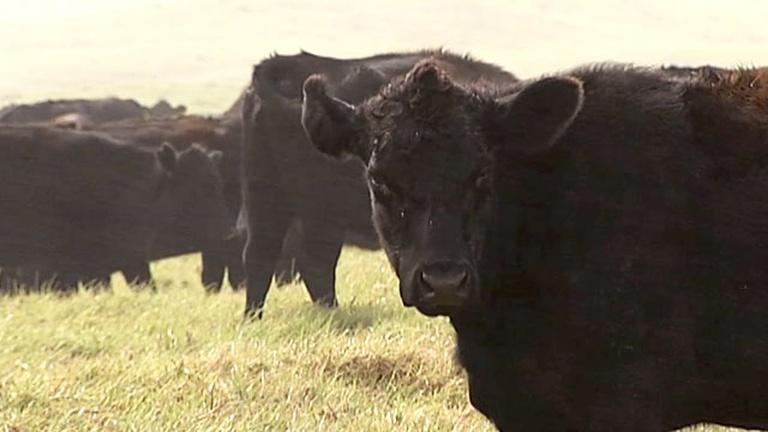
Most of the Holden’s neighbors here in Montana raise Angus Cattle. That’s the number one breed in America. The Holdens raise Hereford cattle, the number two breed. You can tell the difference in their color: Angus are black while Herefords are red and white.
Eighteen years ago, Jack Holden took over his grandfather’s cattle operation. But it involves more than just running the family business. He inherited a legacy built by Les Holden. The Holden name isn’t on your grocery store beef package. But it's known to cattle ranchers around the world. Holden Herefords have been sold to ranchers in more than 40 states, Australia and New Zealand.
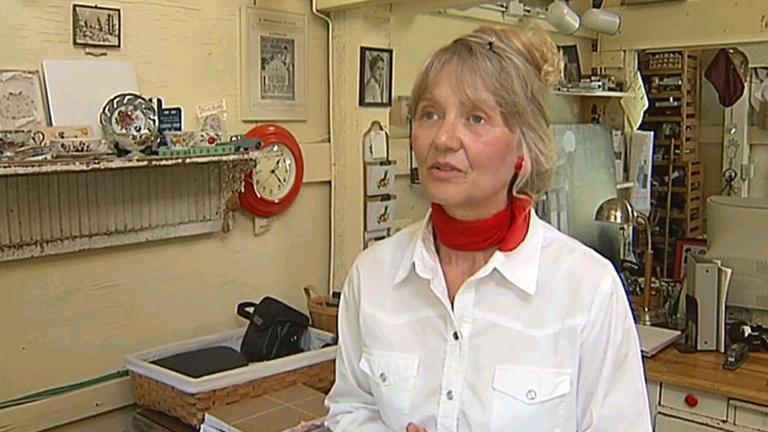
Raising quality bulls with the traits cattle producers want is what keeps this operation going. The average sale price for the bulls is three-to-five-thousand dollars. But the best bull could go for as much as $25,000. That may sound like a lot, but not to Jack’s wife Tresha. She keeps an eye on a bottom line that shrinks every year.
"It just costs so much to run an establishment like this anymore. And it’s costs you can’t get away from: increased fuel, fertilizer, insurance, help and employee. It just keeps going up. It never goes down," she says. "You look at the bottom line every year and try to cut back. Some places you just can’t. We have tried to increase sales every year to sell some more cattle to compensate, but it’s tough."
Like many family farmers and ranchers, the Holdens also have part-time jobs. Selling real estate has proven to be a way for the family to save college money for their two children, Brooke and Brad. With the kids' school and 4-H activities, Jack and Tresha's real estate business and a year-round cattle operation, family time is at a premium.
As Jack Holden prepares cattle hair samples for DNA testing — something Les Holden would never have imagined — he remains true to his grandfather’s principles. Stewardship of the cattle ranch, devotion to the Hereford breed, and a commitment to his family’s future.
There’s nothing else that I’d rather do. I would hope that this ranch continues on for many generations to come. — Jack Holden
Additional information:
To find out more about this family's cattle ranch, go to www.holdenherefords.com
To plan a visit to Montana, dubbed one of the last "great places" in America, log onto www.visitmt.com
|