America's Heartland
HomeStoriesRecipes & TipsScheduleEducationBlogAbout The ShowAg in Your StateShop
 
Episode 104

The King of Ranches

The King of Ranches

The King of Ranches

The King of Ranches

The King of Ranches


The King of Ranches  Watch Video


Spend a day with Beto Maldonado and you’ll feel like you’re back in the Old West, to the days when Texas cattle barons owned land as far as the eye could see. When dusty cowboys led huge cattle drives across dry desert and endless plain. Beto tells the tale of the King Ranch: 825,000 acres in the heart of south Texas. The largest working cattle ranch in the U.S. Bigger than the state of Rhode Island. And a place where employees tend to stick around.

“I’ve actually been on the payroll for 65 years,” says Beto. “These are good people to work for. I was born and raised here, and you don’t want to go anywhere else.”

Yep, Beto started working here 65 years ago, milking cows when he was 10 years old. Later, he worked in the veterinary division and now spends his golden years as a tour guide on the ranch. In this era of consolidation and corporate acquisition, Beto says the King Ranch is a throwback to the old days. Though it’s now a modern business, it remains largely in the hands of the same family that started it 150 years ago.

“My predictions of King Ranch is that they’ve done 150 years of ranching, and I think they’re going to try another 100.”

Beto Maldonado

It was Richard King who started it all in 1853. The Missouri native took his profits from a thriving steamboat company to buy 15,000 acres of untamed land along south Texas’s Santa Gertrudis creek. He married, started a family and crossed the Mexican border to buy cattle from a small impoverished village. He bought the cattle then invited the entire village to come work for him.

The hundred or so villagers who accepted the offer came to be known as “Kinenos”, Spanish for “King’s Men”. It was a working relationship, based on mutual friendship and respect, that’s continued for seven generations.

Alberto “Lolo” Trevino is a vaquero, a Mexican cowboy, and a fifth generation Kineno. He started training horses in 1940 at age ten.

“The life of a cowboy is being happy all the time,” he observes. “If you have worries, leave them at home. Don’t bring them with you, leave them at home.”

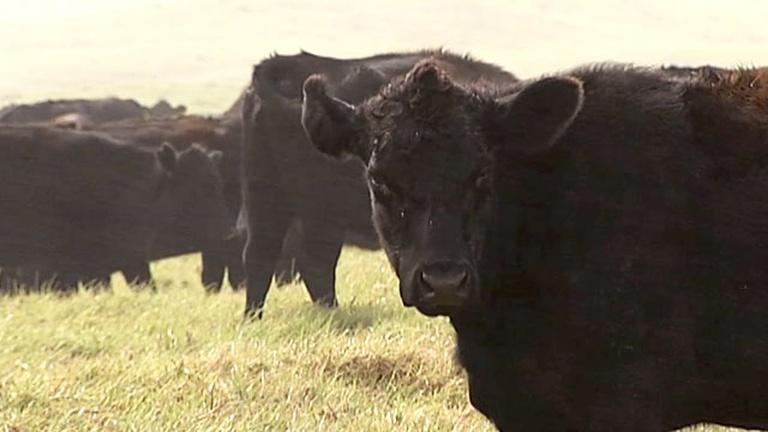
Eventually there were several hundred Kinenos looking after close to 100,000 head of cattle. In the 1860’s and 70’s they drove 30,000 Texas longhorns a thousand miles to northern markets. Later the ranch would develop its own breed called the Santa Gertrudis, the first truly American breed of beef cattle.

Though Richard King started and expanded the ranch, it was his descendants who helped it thrive. His widow Henrietta King and son-in-law Robert Kleberg tapped the first artesian wells to bring irrigation to the parched land.

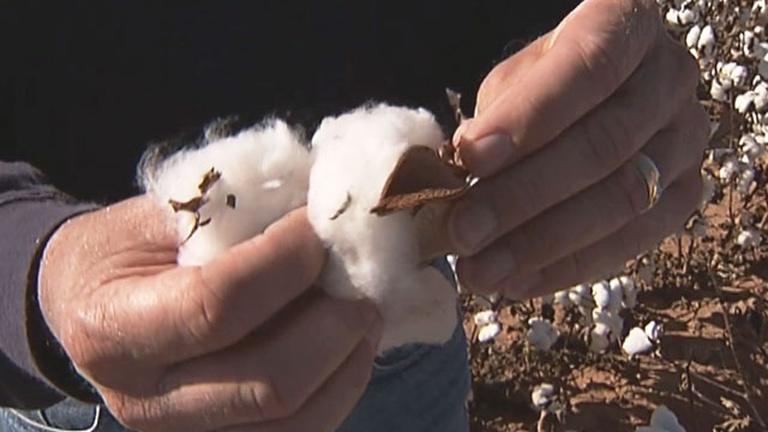
The pair helped build the first railroad in south Texas. Mrs. King donated 45,000 acres to start the town of Kingsville. They expanded their land holdings to more than one million acres and planted thousands of acres of cotton and a feed grain called milo.

Today the ranch has its own cotton gin and sorghum processing plants. Two thousand miles of fencing enclose its pastures.

The King family’s third generation, sons Robert J. and Richard Kleberg, developed new cattle breeds and started raising thoroughbred horses. Successes included a Triple Crown winner, Assault, who won it all in 1946.

The King Ranch is both a National Historic Landmark and a popular tourist attraction. It has its own museum in Kingsville, showing off everything from an old chuckwagon and saddles to the 1948 custom Buick convertible once used for hunting wildlife. Bus tours of the ranch leave city slickers pretty impressed.

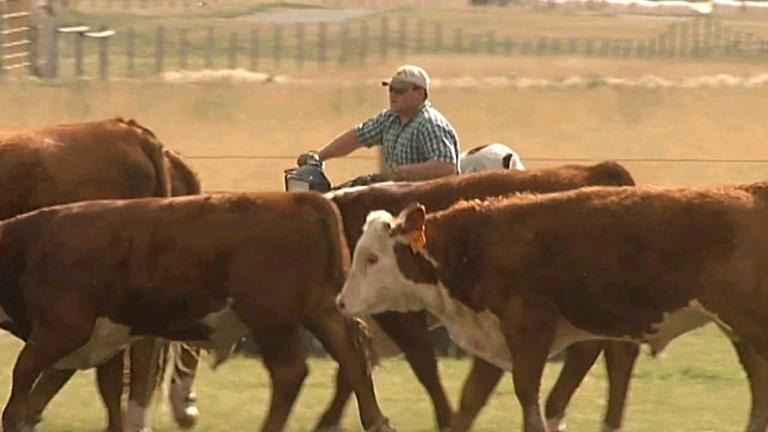
Maybe you’ll get to meet a cowboy like Rick Falcon, a fourth generation Kineno. He and his pardners still manage close to 60,000 cattle and cherish the life they’ve chosen.

“I think it’s going to be an ongoing deal,” says Rick, “because my boy, he’s 12 years old. He’s working out here and he loves it. There’s always room for more cowboys.”

Additional information:
If you’d like to visit or learn more about the King Ranch check out www.king-ranch.com

For information about all the sites to see and experience in Texas, go to www.traveltex.com


The Monsanto Company and the American Farm Bureau Federation make presentation of America's Heartland possible.

Monsanto        Farm Bureau
Additional production and promotion assistance is provided by the American Soybean Association, National Corn Growers Association, National Cotton Council, United Soybean Board, U.S. Grains Council and National Association of Wheat Growers.


A production of KVIE, Sacramento, California. Distributed byAmerican Public Television
©2007 KVIE, Inc. All rights reserved.
Home | Search